Care for Good Dental Health
Dental Health January 15, 2026 5 min read

Care for Good Dental Health

Dental health is a fundamental part of your overall well-being. Having healthy teeth, mouth, and gums prevents cavities, periodontal disease, bad breath, and other oral complications. Although most of these problems must be resolved by a dental professional, there are many things you can do to prevent them by simply caring for your dental health. In this article, we share some essential care measures you can apply to maintain good dental health.

Healthy Habits

Sometimes we think that having healthy habits cannot have a real impact on our overall health. However, studies and scientific research have shown that proper tooth brushing, along with other measures, can significantly reduce the risk of cavities and other gum diseases.

Tooth Brushing

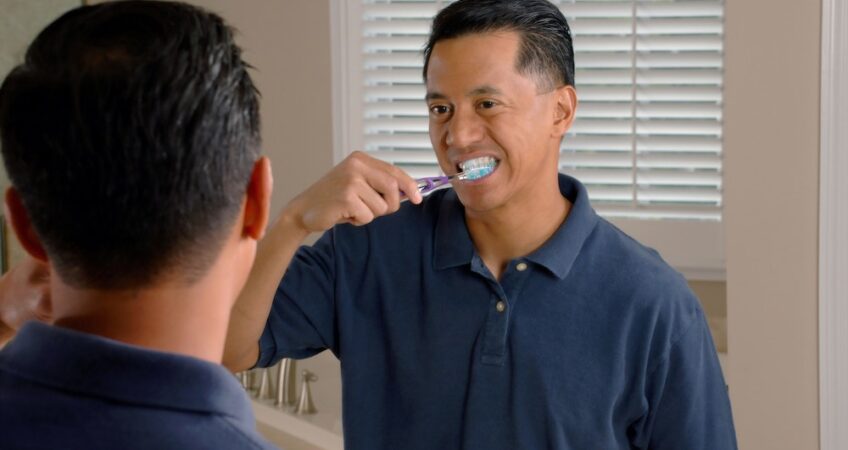
Starting with the basics, you should have a proper tooth brushing technique. But, more importantly, you should do it at the right frequency and time. To maximize the effectiveness of teeth cleaning, you should tilt the toothbrush upward at a 45° angle for the upper teeth and downward if you are cleaning the lower teeth. The motion should be like a vibration, followed by sweeping movements, covering all surfaces without forgetting the tongue. You should apply this technique, brushing your teeth after each meal or, at the very least, rinsing your mouth with water or mouthwash if you are at your workplace and cannot brush them properly.

Using toothpaste with fluoride.

Brushing your teeth with fluoride-free toothpaste is like having a dull sword on a battlefield. Fluoride is necessary to fight plaque and its consequences. It restores the mineral balance in the mouth and teeth, preventing the demineralization that leads to dental cavities and other oral problems. Flossing and rinsing your mouth Despite the great advantage that good tooth brushing represents for your dental health, there are some spots that the bristles of your toothbrush cannot reach. Without flossing, the spaces between teeth would be practically impossible to clean. Fortunately, that is not the case, but it also means that flossing is almost as important as the correct brushing technique. Additionally, using mouthwash after the mouth is completely clean helps maintain balance in the mouth, keeping it balanced for hours.

Improve Your Diet

All these measures for good dental health can help you reduce the risk of many oral diseases. But, although you should take care of your dental health at home, some problems can only be resolved by a dentist, so don't forget to schedule an appointment from time to time.

Share:
Cuidado para una Buena Salud Dental
Salud Dental 15 Enero 2026 5 min lectura

Cuidado para una Buena Salud Dental

La salud dental es una parte fundamental de su bienestar general. Tener dientes, boca y encías sanos previene las caries, la enfermedad periodontal, el mal aliento y otras complicaciones bucales. Aunque la mayoría de estos problemas deben ser resueltos por un profesional dental, hay muchas cosas que puede hacer para prevenirlos con solo preocuparse por su salud dental. En este artículo te contamos algunas medidas de cuidados esenciales que puedes aplicar para tener una buena salud dental.

Hábitos saludables

A veces pensamos que tener hábitos saludables no puede tener un impacto real en nuestra salud general. Sin embargo, estudios e investigaciones científicas han demostrado que un cepillado de dientes adecuado, junto con otras medidas, puede reducir significativamente el riesgo de tener caries y otras enfermedades de las encías.

Cepillado de dientes

Comenzando con lo básico, debe tener una técnica de cepillado de dientes adecuada. Pero, lo que es más importante, debes hacerlo en la frecuencia y hora correctas. Para maximizar la eficacia de la limpieza de los dientes, debe inclinar el cepillo de dientes hacia arriba, en un ángulo de 45 ° para los dientes superiores y hacia abajo si está limpiando los dientes inferiores. El movimiento debe ser como una vibración, seguido de movimientos de barrido, cubriendo todas las superficies sin olvidar la lengua. Debes aplicar esta técnica, limpiándote los dientes después de cada comida o, al menos, enjuagarte la boca con agua o enjuague bucal si estás en tu lugar de trabajo y no puedes cepillarlos adecuadamente.

El uso de pasta de dientes con flúor.

Lavarse los dientes con pasta de dientes sin flúor es como tener una espada desafilada en un campo de batalla. El flúor es necesario para combatir la placa y sus consecuencias. Restaura el equilibrio de minerales en boca y dientes, evitando la desmineralización que conduce a la caries dental y otros problemas bucales. Usar hilo dental y lavarse la boca A pesar de la gran ventaja que representa un buen cepillado de dientes para tu salud dental, hay algunos puntos que las cerdas de tu cepillo de dientes no pueden alcanzar. Sin el hilo dental, los espacios ubicados entre los dientes serían prácticamente imposibles de limpiar. Afortunadamente, ese no es el caso, pero también significa que el uso del hilo dental es casi tan importante como la técnica correcta de cepillado. Además, usar enjuague bucal después de que la boca esté completamente limpia ayuda a mantener el equilibrio en la boca, manteniendo el equilibrio durante horas.

Mejora tu dieta

Todas estas medidas para una buena salud dental pueden ayudarlo a reducir el riesgo de muchas enfermedades bucales. Pero, aunque debes cuidar tu salud dental en casa, algunos problemas solo los puede resolver un dentista, así que no olvides programar una cita de vez en cuando.

Compartir: